Tuesday, February 4, 2014

Why does back pain hurt so much?

I know you well. I see you a couple of times per week. Sometimes I see you a couple of times per day.

Your back hurts.

http://www.sweetsharings.com/2013/04
You are the young dad who threw your back out this weekend wrestling with your kiddo right after helping your buddy move a piano up to his second-floor apartment.

Or perhaps you're the very pregnant lady who cannot find a comfortable place to stand or sit or lay down or basically exist in the world because your back is killlllling you.

Or you're the vineyard worker, hauling huge crates during crush without a proper moment to adjust your body mechanics.

Or you're the mom of a twenty-five-pound toddler who insists on being carried most hours of the day.

Or maybe you are the middle aged dude who commutes two hours five days a week and whose back will not forgive you this month, even on days you avoid the car entirely.

Or perhaps you are an amateur athlete training for a big event next week with a little zinger that moves from your mid-back down your leg.

Or you're a waitress. . .or a student. . .or a nurse. . .or a programmer or a writer or a baker.

Whoever you are, your back hurts, and you join lots and lots of fellow humans, who at some point in our lives, will suffer from back pain.

Back pain is common
In fact, 25% of adults report having had back pain for at least one whole day in the last three months. Back pain can be miserable (serious misery), and though many people with back pain do not seek medical attention, studies show that 1in 10 primary care visits is for  back pain

As a family doctor, I see about 18 patients per day. That means I see 1.8 patients per day with back pain. And most people with back pain are unhappy-- they are so unhappy that they have taken time off work, ridden their horse three hours bareback, and hired some scary babysitter to watch their kids to come and see me.

Little me.

That's a lot of pressure (on me).

And a lot of pain (for you).

And to be perfectly honest, I hate your back pain almost as much you hate your back pain. Give me an ear ache or strep throat or a funny looking mole or even a broken arm any day. I can fix those (or at least make you feel better) even before you leave my office. The problem with back pain is that there is no quick fix, and, quite honestly, that sucks (sorry, Mom-- she hates that word).

I know very well that when people come to the doctor for back pain they are always 1) in a lot of pain and 2) scared.
 
http://www.manizone.co.uk/images/Ape_bezoarStones_mustika_pearls_magickal_stones_magicStones.JPG
Just before I knock on the exam room door for a "back pain" visit, I often find myself wishing for a magic rock, fairy godmother, any god, even a mind-altering substance-- knowing any of these modalities will make the pain and the fear go away quicker than I will be able to. Unfortunately, my wish is never fulfilled. Instead, I summon up my own empathy, compassion, and good listening ears. These are my  most effective doctoring tools-- especially when it comes to back pain.


Here's the scoop on most back pain
1) Back pain, particularly low back pain, is super duper common. As I alluded to above, between 70-80% of adults will experience back pain at some point in their lives. Each year, between 6% and 15% of people will experience back pain for the first time. I'm sorry. I feel you. I've been there.

2) Most people don't go get seen by a doctor when their back hurts. 

3) Back pain usually rears its evil head in people between the ages 20 and 50, with the highest rates in people in their forties.

4)  Most often back pain fits into 1 of 4 general categories: non-specific low back pain (that's most people), pain with radiculopathy (radiculopathy is doctor-speak for pain that radiates somewhere, most often down into the back of the leg, often referred to as sciatica), spinal stenosis (pain caused by the spinal cord getting scrunched inside the vertebrae, most common in older people), and back pain as a result of another "spinal" cause (this is a catch-all category including most of the very scary things that people worry about when their back hurts, e.g. the big "C" metastatic cancer, spinal infection, fractures, etc)

5) Back pain usually goes away (check this out: 54-90% of the time it resolves with absolutely no intervention)

6) But then it often comes back (recurrence rate ranges between 24-80%). Sorry.

7) Doctors often don't know how to make patients feel better

(I know, this is exactly what you didn't want to hear. In a recent study of almost 24,000 patients with back pain (1999-2010), doctors were found to be prescribing less anti-inflammatories and acetaminophen and increasing opiate medications (e.g. vicodin, oxycontin-- 19-29% of the time), even though the studies consistently show opiates don't do a better job for pain. The same study also showed an increase from 7% to 11% of patients getting an MRI or CT scan to evaluate their back pain, even though there is really good data discouraging providers from doing so.

8) First line medications for back pain are acetaminophen (aka generic Tylenol) or non-steroidal anti-inflammatory medications (in doctor-speak NSAIDS, including ibuprofen, naproxen, motrin, etc).

9) X-rays, MRI, and CT scans are not actually therapeutic. They do nothing (I repeat "nothing") to make you feel better. However, requests for these imaging studies are an important reason people make doctor's appointments. There is something about the human psyche that makes people believe that getting that MRI will make them feel better. I have no idea what that is.

10) You should probably only get an MRI/CT scan if you are considering surgery (or epidural injection). If you are one of those "No way in hell, doc, is anyone operating on this virgin spine" people, then trust your doctor NOT to order you an MRI. Why?

When even the doctor is scared
Of course, there are (rare) cases when back pain can actually be scary. Here are a few examples of what health care providers call "red flags"-- things that make us worry your back pain could be something worse than run-of-the-mill-every-day-back-pain. Please do note that these red flags are NOT perfect. In fact, more than 80% of people will have at least one of these red flags with their back pain and still have run-of-the-mill pain, but if someone has more than two, a provider will likely be more thoughtful about the evaluation.
  • A personal history of cancer
  • Recent unintentional weight loss (over 20 pounds in the last 6 months)
  • Age over 50 or under 17
  • Not getting better, especially after 4-6 weeks
  • Persistent unexplainable fever (>100.4)
  • You inject drugs
  • You have new problems controlling your bowels and/or bladder
There are many more in the list of red flags, but you get the gist. A good health care provider will probe a bit to be sure he/she isn't missing a more serious diagnosis. This is just one more reason to have a personal relationship with your primary care provider--it's double advantageous for your provider to know you and to ask the right questions.

For all of those patients who DON'T have red flags, here's my doctor shpiel for routine I think I might die back pain.

I'm sorry, back pain is evil.
I'm sorry, I am so glad I am not you right now.
I am sorry, I know it feels like you are going to die.
But this IS going to get better.
It really is.

And in the meantime, after you are done cursing your body and your provider, please consider:

1) Anti-inflammatory (NSAID) or acetaminophen for pain, whichever you find helps most.  (I hate to tell you, but Vicodin and all its bed brothers (e.g norco, percocet, oxy etc) do nothing for back pain. They just numb you against the evil unfairness of being in pain. Such numbness might seem helpful, but can also be risky). 

2) Rest (though rest just for a little bit-- in the good ol' days, people with back pain used to be sent to bed for days-- research has found that prolonged immobility makes back pain worse). You shouldn't be lifting those giant bags of rocks or cleaning your bathtub tonight, but hopefully you can get back to those activities in a short amount of time. Gentle walks are a good idea.

3) Ice/heat (whichever your prefer, don't believe anyone who tells you there is actual evidence that one or the other is better). The choice is yours.

4) Time (and time's best buddies: patience and trust)

5) In very certain circumstances of acute spasm (e.g. your boy friend lying frozen on the ground saying, "I cannot move, I cannot move, do something"), just a few short days of muscle relaxant might be indicated (like cyclobenzaprine or baclofen or diazepam). My patients know I am stingy with these guys-- just a few days worth can sometimes do the trick. Talk to your provider.

6) Core strengthening is always a good idea. It probably does nothing to help your acute back pain but may prevent recurrences by taking some of the stress off your overloaded back.

7) Restructure your work station (too much sitting is FAMOUS for causing low back pain, often screens are not appropriately set, etc) or your work environment. Often it's something you are doing 6 or 9 or 11 hours a day that's really driving your back mad. Change that!

8) Consider physical therapy and integrative modalities if you cannot seem to kick the pain-- my personal preference is osteopathic manipulation (OMT), an amazing medical modality that is gentle and actually works for many people. Look for doctors who have a D.O. after their name, instead of an M.D. and be sure to ask them if they practice osteopathy.

9) Stay in shape. Seriously.

So, at the end of the day, do I actually have any idea why back pain hurts so badly? Sorry to tease you with the catchy title, but I don't. I have to admit I just don't. But it does.  The good news is, for most of us, it will go away with a little time, some attention to behavior change, and good self-care. And if it comes back, start at the beginning and do it all over again.

It will work!

To end, an attempt at back pain haiku, because, well, why not?

Back aches, gnaws, screams, squeals
Lies down in deep dark silence
Where pain has no voice

 **

Stand up for patience
Time and change, may you be well
The pain will pass soon


______________________________________________________________
Additional References:
http://www.ncbi.nlm.nih.gov/pubmed/21665125
http://www.ncbi.nlm.nih.gov/pubmed/1477891
http://annals.org/article.aspx?articleid=736814
http://www.aafp.org/afp/2012/0215/p343.html#afp20120215p343-b2
http://www.fpnotebook.com/ortho/sx/LwBckPnRdFlg.htm
www.npr.org/blogs/health/2014/01/13/255457090/pain-in-the-back-exercise-may-help-you-learn-not-to-feel-it

Tuesday, January 21, 2014

How Nexium took down Prilosec and how Pharma changed our stomachs forever

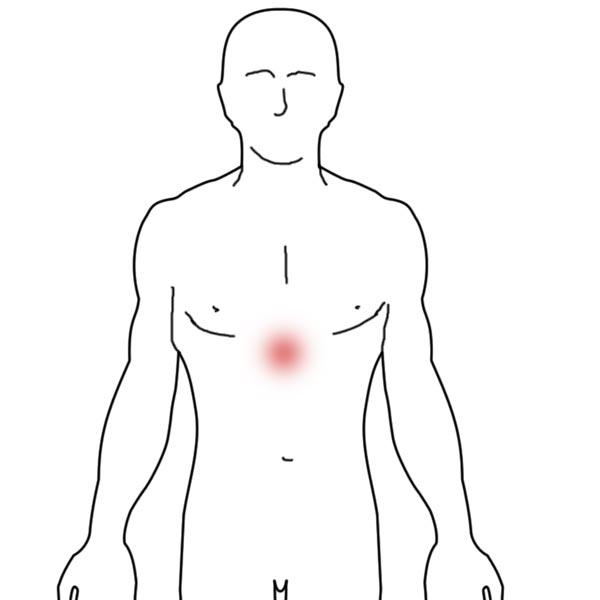
Once upon a time, during the height of acid wash, shoulder pads, and the side pony tail, there was a great plague tormenting the people of the developed world. It started as a burning sensation in the solar plexus--right below the sternum--then churned its way up the esophagus, often leaving behind a sour taste in the mouth. It was born of over-sized meals, greasy fast food, and acidic ingredients (e.g. tomato sauce, orange juice, onions), fed by alcohol, cigarettes, and anti-inflammatory medications (e.g. ibuprofen, naproxen and aspirin), and showed up most often during post-meal naps and late-night bouts of insomnia. It seemed  to get worse with stress.

It was heartburn.

Other terms often used interchangeably for heartburn include acid reflux, dyspepsia, and indigestion. We doctors call it "gastro-esophageal reflux disease" or GERD,

(Okay, the term "heartburn" is derived from the Ancient Greek kardialgia (heart-pain), having first appeared in English literature in the 13th century, so to be perfectly honest, heartburn was a recognized plague long before acid wash. BUT what came next did actually happen in the '80s. . .).
http://www.adelle.com.au/wp-content/

How Pharma changed our stomachs
In  1989-- the very year of the peak of Paula Abdul and the fall of the Berlin Wall-- a most remarkable event occurred: Prilosec came on the market.

Prilosec was the first of a new drug class--a proton pump inhibitor-- designed to change the way our stomachs digest food forever. Its generic name was omeprazole. It has since been joined by brothers Prevacid (lansoprazole), Protonix (pantoprazole), Nexium (esomeprazole) and a gang of other inbred siblings whose generic names all end in -prazole. Prilosec was also the first to go over the counter in 2003.

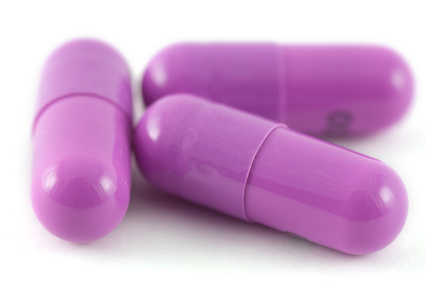
Though Prilosec was the first of its kind, its little bro Nexium, released in 2001, has become the superstar. Between 2001 and 2012, Nexium (known to anyone who watches TV as "the purple pill") has grossed $48 billion. Yes, that's $48,000,000,000. That makes it #2 in all time drug sales (see here for more drug details). Oh, health care costs, where art thou going?

You should know that Prilosec and Nexium are made by the same pharmaceutical company (AstraZeneca), AND they are almost the same exact chemical compound. (Think identical twins with different haircuts). For those of you with any interest in organic chemistry, esomeprazole (Nexium) is simply the s-isomer of omeprazole. Who says o-chem isn't worth anything?!

The big differences between the two medications are the following: Nexium is always purple (Prilosec is sometimes pink), Nexium is still on patent (but generic will be available mid-2014) and Nexium costs five to ten times as much as Prilosec.

iStock_000010770938XSmall
Okay, enough tangent.

How do proton pump inhibitors work?
Proton pump inhibitors (PPIs) decrease acid production in our stomachs, thereby lessening the discomfort caused by said acid. They accomplish this by blocking the proton pump in the parietal cells of the stomach lining (hence the name). Details on the nitty gritty mechanism can be found here.

Interestingly, these pumps are constantly being turned on, off, and over, so there is never complete inhibition of acid.  We need acid, in fact, to digest our food and absorb many nutrients, including iron, calcium, magnesium and Vitamin B12. PPIs are considered stronger than any other family of acid-blocking medicines on the market, and studies show they bring relief to 85-90% of people.

PPIs work best in the fasting (not-eating) state, so people are usually instructed to take them  first thing in the morning before breakfast. A single dose may bring some relief but tends to leave too many acid pumps around to do their thing, which is why taking a PPI on occasion ("as needed") doesn't often do the trick.  PPIs reach  maximum efficacy around day 5-7 of continuous use. Most over-the-counter formulations instruct patients to take the med for a total of 14 days before consulting a physician. The FDA recommends that PPIs be taken in the lowest dose for the shortest duration possible-- in most cases 4-8 weeks is probably sufficient.

Heartburn is a common and uncomfortable health condition, and for people experiencing acute discomfort, PPIs work remarkably well. I prescribe them with some regularity to a range of patients including the elderly, pregnant women and even children (for all these groups I have some serious reservations and a few caveats). When I personally had a bout of severe esophagitis during my Peace Corps years, I took a PPI for several months. It was miraculous.

PPIs serve an important purpose: they do what is asked of them, and they make people feel better.

The challenge comes when trying to get patients OFF of them.
You see, PPIs are pretty darn addictive. Addictive, you say, no way. How could anyone get addicted to a medicine that suppresses acid?!  If you object to the word addiction (see a prior post for discussion of chemical addiction versus chemical dependence), then you must at least concede that PPIs lead to a level of dependence. This is likely because our brilliant bodies try to circumvent the acid blockage by creating new acid pumps.

If you take a PPI for a short time (let's say 1-2 weeks for a bout of really bad heartburn), you probably won't have a problem, but if you take a PPI for longer than a few months, there is a good chance you will have a hard time stopping cold turkey. This is because, when you stop, your solar plexus will burn, your stomach will churn, and your heartburn comes back with such a vengeance that you find yourself popping another PPI just to get through the night. For all intents and purposes, you are now hooked.

PPIs also do nothing to encourage you to address why you might have GERD in the first place.
I have a large number of patients who are extremely attached to their PPIs-- so attached that they refuse to discontinue or taper, even as an experiment.  In sharing this, I am airing my own dirty doctor laundry-- it is with more than a touch of shame that I continue to refill medications for people when I know that in doing so, I may not be fulfilling my solemn promise to "do them no harm".

As you might have guessed, PPIs don't actually do anything to correct the underlying problem of acid reflux. They are a temporary fix-- a band-aid of sorts for your GERD-- making you feel better tonight or this week without helping you recover for the long-haul. There are some exceptions: in patients with known ulcer disease, PPIs promote actual healing of the gastric lining. And in specific combinations with other medications (e.g. for treatment of helicobacter pylori), they can be used to help eradicate disease.

It was thought for some time that PPIs were pretty harmless even if taken over long periods of time. Doctors and patients alike dismissed the dependence issue as unimportant. After all, you could always taper and eventually get off them. But the longer the PPIs have been out on the market, the more concerns have been raised about potential long-term effects on many other organ systems.

Here is a partial list of PPI-associated problems:

PPIs:
  • inhibit absorption of important nutrients
    • magnesium: taking PPIs for prolonged time (over a year) can deplete magnesium levels, leading to muscle spasms, irregular heartbeats, and convulsions (reference)
    • vitamin B 12: people on PPI have a 65% increased risk of B12 deficiency compared to people not on a PPI. B12 is important vitamin that is involved our red blood cell production, which is important to get oxygen to all our tissues.  (reference)
    • iron (reference)
  • increase risk of osteoporosis and osteoporotic fractures: increased risk of fractures of the wrist, hip and spine. 25% increase in overall fractures, 47% increase in spinal fractures in postmenopausal women (reference)
  • increase risk of clostridium difficile infection (antibiotic associated diarrhea) likely because decreased acid leads the bacteria to have a better environment to party (reference)
  • increased risk of pneumonia: 30% increased risk for developing pneumonia (reference)
  • drug interactions
  • increased risk of atrophic gastritis, which could theoretically lead to increased risk for gastric cancer
As you can see, PPIs are clearly associated with serious harm--  especially when taken long term. While PPIs might enable us to keep on chug chug chugging on, eating like crap, drinking like fish, being lazy lumps, smoking cigarettes, and ignoring our own bodies' attempts to communicate with us, we will pay at some point. Are you willing to pay with your bones? Or your blood cells? What about your pocket book? We should not disregard potential long-term health effects because we are so tied to relief from our momentary discomfort.

We know better, don't we?


I would challenge you to consider simple ways in which you could change your life that will actually make you feel better now and for the duration.  Here are a few lifestyle modifications to consider to treat and/or prevent GERD:
  1. Slow down your eating
  2. Lose weight (only if you are overweight or obese)
  3. Eat small frequent meals
  4. Stop smoking
  5. Decrease your alcohol intake
  6. Avoid trigger foods ( trigger foods are different for different folks but consider cutting back on the following to see if you feel better: chocolate, coffee, cow's milk, orange juice, spicy foods, tea, tomato sauce/juice. Maybe even try one at a time.)
  7. Exercise (Exercise actually helps the sphincter between your stomach and your esophagus work better! How cool is that?!)
  8. If you have predominantly night-time symptoms, elevate the head of your bed 4-6 inches 
  9. Herbal remedies: If you are considering herbal treatments, try licorice, slippery elm, marshmallow (the herb, not the white sugary puff) or chamomile 
And please don't misunderstand me-- if you need a PPI for a few weeks, go for it. It will probably help. Just remember that you have some more work to do than continuously pop the purple pill. If you do the work, you will feel better.  This I can attest to both personally and professionally.

May your solar plexus be healthy.

A
    http://graphics8.nytimes.com/images/2007/02/08/fashion/08fitness.1.600.jpg
Additional References:
http://www.healthandwelfare.idaho.gov/Portals/0/Medical/PrescriptionDrugs/PPI%20Educational%20Information.pdf
http://www.fammed.wisc.edu/sites/default/files//webfm-uploads/documents/outreach/im/module_gerd_clinician.pdf
http://well.blogs.nytimes.com/2012/06/25/combating-acid-reflux-may-bring-host-of-ills/?_php=true&_type=blogs&_r=0

Monday, January 13, 2014

Can doctors have tattoos?

A few months ago, a patient (about my age) asked me whether or not I had a tattoo. Before I had a chance to answer, he interrupted himself by asking whether or not doctors were allowed to have tattoos. He asked the questions pretty spontaneously-- in the context of his being restarted on a blood thinner after a period of time without it. Mostly, he was mourning the realization that he wouldn't be able to get a long-coveted tattoo now that he was back on the medicine.  He was curious, then embarrassed, and ultimately, the conversation returned to his health care situation.

I don't think I ever answered him.

Ever since that visit, though, his questions have been doing somersaults in my head. I don't believe it's the personal nature of the inquiry that bothered me (I tend to be a pretty self-disclosing doctor). Initially, in fact, I found it pretty amusing. But after several days of chuckling, I moved from a place of amusement, to one of deeper consideration. It's some of the issues implied in his questions that have lingered. Does having a tattoo take something away from a doctor being a doctor? and Is it okay for doctors to be regular people? 


http://www.neatorama.com/2007/09/23/the-tattooed-doctor/#!r30u6
What do you think?

http://thedo.osteopathic.org/?p=86631
1) Does having a tattoo take something away from a doctor being a doctor?
This is a tricky one. I briefly did some Internet research on the topic of physicians with tattoos and came across a plethora forums in which applicants who were interviewing for medical school and residency training were discussing the need to "cover up" tattoos during the interview process. These forums made it quite clear-- in the land of auditions and under the guise of professionalism, doctors shouldn't have tattoos. Many universities and hospitals, in fact, have dress codes prohibiting display of potentially offensive tattoos and promoting the covering of all tattoos "when feasible".

Of course, there are the distinguished doctors who get tattoos to honor their patients (see article here). Or those who tattoo themselves with their end of life wishes (see article here).  Definitely interesting twists on a different story.

But then I came across this, an article right up my alley. This article even features a picture of a young hip osteopathic doctor with a pretty sweet sleeve tattoo (look right: she looks a lot like one of the characters from Grey's Anatomy). The story quotes a 2006 study from The Journal of Dermatology that 36% of  people born between the years 1975-1986 have tattoos. That's my generation! The article theorizes that if one-third of people in this age range have tattoos, a certain number of those tattooed people will become physicians.

And while the article did commend this tattooed student doctor for her many successes, it seemed to imply that her successes came in spite of her beautiful tattoos rather than because of them. And it wrapped back around to the idea of "professionalism" as the crux of the matter. This begs the question, are tattoos inherently unprofessional? And if so, why? Is this mutable?

Despite my own secret desire to be a rebel, I must admit that I, too, hold onto some pretty traditional ideas around professionalism. Though I don't often wear skirts or a white coat to work, I do believe in dressing professionally for my patients' sakes. I believe patients expect their doctor to look a certain way-- namely, forgettable. By this I mean that the best dressed doctor is literally dressed in something the patient doesn't remember (not flashy, not sexy, not odd, not ostentatious, not ugly or offensive). The outfit that puts the patient at ease is most likely the outfit that that he/she doesn't even recall. This, I would argue, is because the clinical encounter is really about the patient, not the doctor.

And yet, what might a tattoo say about one's doctor? Is a tattoo too out there? Too memorable? Or might it be healing?

I can imagine that some of my patients (especially the ones that sport their own beautiful body art) would just LOVE having a decorated physician. A tatted-out doctor would make them feel more kinship than otherness. That always feels good, no matter who we are. And feeling better is the essence of healing. But many of my older and/or more traditional patients would certainly frown upon a visible tattoo-- tattoos might distract certain patients so much that they wouldn't be able share comfortably, listen to medical advice, or even want to see that doctor (I can almost hear one special patient of mine saying something like "I don't want to see that tattooed person ever again.").

To what extent is it the responsibility of the physician to have appearance that puts patients at ease versus an appearance that the physician feels good about?

I would like to believe that most patients would prefer a brilliant loving doctor with tattoos to a dumb cold one without-- certainly, as I groused about in a prior post, what I really yearn for in my own provider is someone who knows something, listens to me, and cares about me. What he/she looks like doesn't have much correlation with any of these essentials. Or does it?

2) Is it okay for doctors to be regular people?
This question is a pretty easy one for me to answer. The answer is a resounding YES. It has to be, in fact because we are. . . well. . .people. My family knows this (very well), my friends know this, and plenty of my patients know this (I hope).

Yes, physicians happen to have completed medical school and residency training (all of which took many years and a lot of effort), but just like our fellow humans, we have diverse strengths and weaknesses, unique hopes and dreams, fears, fallibility, and yes, even tattoos. And yet, perhaps, this "realness" is a relatively new concept, as medicine goes. In the footsteps of a generation of physicians who worked 100+ hours per week, completely and singularly focused on their patients, my generation of physicians is trying to be more than career physicians-- we are also hoping to be spouses and parents and friends and political activists, musicians, and scholars, and athletes, and dreamers, and community advocates.

I do intentionally share with my patients important pieces of my human self: why I work part-time (to be able to take my three-year-old to preschool and take him swimming), when I don't know something (I believe strongly in transparency when I don't have a good answer for why something is happening or what a patient should do), and even some of my own personal challenges (sharing my struggles with infertility, only when it seems relevant). Obviously, my patients' clinic visits are sacred space-- long-awaited appointments are definitely not about me-- so I don't share or expect to share all of my personal self, but I do disclose the parts that seem helpful for my patients' journeys.

Here are few examples (that I don't necessarily share with patients) of how I am regular person:
I pick up my dog's poop.
I do laundry.
I lose my temper with my son.
I eat ice cream from the carton.
I have sex.
I worry.
I sometimes feel depressed and watch mindless TV to improve my mood.
I get zits.
I argue with my mom (sometimes in that snarky seventh grade way)
My underwear drawer is a disaster.
I get anxious.
I am often wrong.
And I make mistakes. Yup, plenty.

Since many of my closest friends are doctors, I can also vouch that THEY are regular people too.  Though they have uniquely different human traits than the ones I listed for myself above, they are regular nonetheless. I would espouse that all this makes us better doctors-- most of the time. After all, the human experience is what empowers us to ask questions when we are unsure, to admit to misunderstanding when communication is imperfect, to relate personally to our patients' struggles, to ask for help when we need it, and to apologize when we make mistakes.

And that's the kind of family doctor I want to be. I hope it's the kind of doctor you want to have.


Back to my inquisitive patient. . .
I didn't answer my patient right there in the moment because I wasn't quite sure how to answer him. Should I flash him my own stamp? (Not appropriate). Share with him how I got my little tattoo in the midst of an intense break-up with a college boyfriend? (Definitely not appropriate). Should I take the opportunity to talk about clean needles and infectious disease (Very doctorly, for sure). Should I divert the conversation? (Always a good tactic) Should I reassure him that we were all 21 at some point? (Duh). I guess what I would say to him now after months of pondering is just the following,

"Yes, actually, I do have a small tattoo, I've had it for 15 years. And no, there is no explicit rule about doctors not having tattoos. After all, we're all human. We come in all varieties. Mostly, I am just sorry that you aren't going to be able to get your dream tattoo this month, but hey, let's be optimistic and hope that one day, you will be well enough to get the tattoo of your dreams."


Saturday, January 11, 2014

Please don't make me pee my pants

Ladies, raise your hands if you have ever peed your pants. And, by peed your pants, I mean coughed out a few drops, sneezed out a squirt or two, emitted an undisclosed volume as you stood in line at a public restroom, or maybe even lost your entire bladder in a fit of laughter.
http://lerablog.org/wp-content/uploads/2013/09/Urinary-Incontinence.jpg
Take heart. Wherever you happen to be reading, either your seatmates won't realize why in the world you are raising your hand, or those that do will feel in good company. And men, well, please keep quiet. Most of you with a Y chromosome happen to have much longer urethras than those of us XXers. Lucky you. You also cannot birth babies. And you don't live as long as we do. Lucky us.  (Oh, and in case you're a man thinking a post about pants-peeing might be irrelevant for you, turns out that men and women who live past 80 have the same rates of incontinence. So read on if you're planning to live a long life).

Urinary incontinence-- the involuntary loss of urine--is one of those hush hush taboo topics that even over-sharing women don't like to discuss. It is right up there with bowel movements, vaginal discharge, depression, and sexual dysfunction.  In fact, most of my female patients are happier to discuss the shape and color of their poop than the fact that they cannot always hold onto their own urine. Studies show that half of people who suffer from incontinence never bring it up with their primary care provider.

However, urinary incontinence is extremely common. (This probably explains the plethora of adult diaper commercials featuring grandmothers running through fields of flowers). Because so many people keep their situation private, it's hard to get perfect data, but studies estimate between 25-50% of adult women have lost their urine at least once in the last year. One study found 10% of women experience this problem at least weekly. That means that up to half of women reading this post have peed their pants this year, and 1 in 10 did it in the last week. And it's not limited to those women who have had babies. While 30-60% of pregnant women have peed their pants, 12.6% of women between the ages of 16 and 30 who had never been pregnant reported incontinence.

Unfortunately, as alluded to above, the problem gets worse with age: while 7% of women ages 20-39 report having had some incontinence, the percentage increases to 17% for women 40-59, 23% of those 60-79, and 32% for women over 80.

Ugh.

Urinary incontinence can have a seriously negative impact on a woman's quality of life, potentially complicating and/or interfering with everyday activities like work (frequent pad changes or limited physical activity for fear of being far from a bathroom when the time comes), exercise (especially anything that involves jumping up and down), household activities (e.g. heavy lifting), travel (who wants to be stuck on a bus without a toilet?), sexuality (it's hard to feel sexy when you cannot keep your undies dry), social interactions (embarrassment about look/smell), sleep (frequent night wakings), self-esteem, and even clothing choice.

While many women with incontinence can get by wearing a panty liner in their underwear to catch unanticipated droplets or make sure to take themselves to the toilet on a scheduled basis, other women can be so severely affected that they feel they must abandon activities they love. Incontinence can be so severe, in fact, that women feel confined to their house, for fear of an embarrassing accident. I have had patients who've memorized bathroom stops along a 500 mile drive, who've stopped playing tennis with their spouses, and who no longer walk in the mornings with their friends for fear of wetting themselves.

Triple ugh.

The process of peeing (in doctor-speak micturition)--filling and emptying the bladder--seems simple, but it is much more complicated than filling and emptying a water bottle. Micturition is an intricate dance involving our central, peripheral, and autonomic nervous systems. It also depends on well-functioning muscles down there. Our central nervous system (aka brain and spinal nerves) control the when and when not; our peripheral and autonomic nervous systems control the how. To not pee, we have to maintain relaxation of the smooth muscles of the bladder and then simultaneously inhibit and contract the muscles of the sphincters. Then, to pee we must do the opposite: contract the smooth bladder muscles, followed by disinhibition and relaxation of the sphincter muscles. 

Ask any potty-training toddler-- keeping one's pants dry is not easy. Just getting to the potty can be a challenge! (By the way, same goes for older adults, where limited mobility plays an important role in increasing rates of incontinence).

For women who experience incontinence, the problem comes in one of five flavors: stress, urge, mixed, overflow and functional incontinence. By far, stress incontinence is the most common.

1) Stress incontinence: anything that puts stress (added pressure) on your bladder. This includes coughing, sneezing, jumping, weight lifting. This often causes intermittent and/or episodic incontinence. Please note, that while stress incontinence may cause you psychological stress, it is not being "stressed out" that causes women to lose control of their bladders.
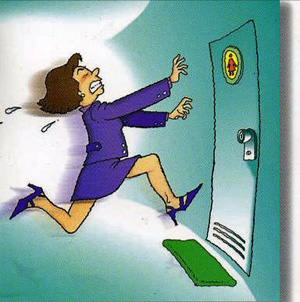
2) Urge incontinence (overactive bladder): involuntary contraction of the bladder muscles causing you to feel an intense "urge" to go to the bathroom right away, leaving you little time to get yourself there.
3) Mixed incontinence: a mixture of 1 and 2.
4) Overflow incontinence: as you might imagine, when the bladder reaches a certain level of fullness, the sphincter just quits doing its job and the urine overflows (aka leaks) uncontrollably.
5) Functional incontinence: mental or physical disabilities that limit a person's ability to get to the toilet in time, to get their pants on, to realize and respond to bodily cues, etc

We know that childbearing, obesity and functional impairment (e.g. cognitive issues after stroke, mobility issues after a fall, inability to plan and execute) are the three main risk factors for incontinence. There is a lot more controversy about other things that may contribute to urinary incontinence, including: childhood bed-wetting, high impact physical activities, diabetes, stroke, depression, vaginal deliveries, episiotomies, low estrogen levels, female surgeries (e.g. hysterectomy), and radiation.

So, for women who are overweight or obese, there is really good evidence that losing weight helps reduce frequency and severity of incontinence. If you could lose a few pounds (or more), one more reason to be motivated to do it! You might also hear advice to lay off caffeine, alcohol, carbonated beverages, and sugary foods. There isn't much data behind this advice, but it doesn't hurt to try.

But what if you aren't overweight? What if you've abandoned Starbucks, wine, and your favorite chocolate, and you are still wetting your pants. What can you do? Incontinence is super frustrating, and there are no quick fixes. However, there are interventions that have been shown to help. Yes, here are the options. The goal is to start with 1, 2, and 3 before moving onto medications because the behavioral changes actually work a good percentage of the time!

1) Bladder retraining: boot camp for the bladder. Works particularly well for urge incontinence. See an example of a bladder retraining program here. It's not rocket science but definitely can work!
http://www.cardiodesign.com.au/page6.html

2) Pelvic floor muscle exercises: often called "Kegel exercises", have been shown to be helpful in both stress and urge incontinence, despite popular belief that they only help with stress incontinence. One 1998 study found that these exercises worked better than medications! See an example of Kegel exercises here. And I know many of you are Kegeling right now as you read-- just seeing the word makes those exercises involuntary-- you go, ladies!

Random sidebar: Dr. Kegel was a gynecologist who invented an instrument called a perineometer, for measuring the strength of those very exercises he invented in 1948. 

3) Neuromodulation devices that can either be inserted in the vagina or external on the leg. See weird contraption above. See video example here. Studies show they help in 75% of urge in continence. Not too bad!

4) Medications: used mostly to treat urge incontinence. There are several different medications out on the market, most of which target the nervous system and belong to a group of medicines called antimuscarinics. None have been shown to help much with stress incontinence, and as for urge incontinence, studies found that only 1 in 5 women will achieve continence using this type of medication. Not great odds, unless you happen to be that 1.

5) Electrical stimulation: either electrodes placed on the thigh and/or implanted under the skin of the buttocks (sacral nerve stimulation). I've never actually met anyone who has done this-- would love feedback from any readers who have had success or failure.

6) Vaginal inserts/urethral plugs: Most commonly an insert called a "pessary". Looks like an over-sized diaphragm (if any of you remember those from old school birth control days), placed inside the vagina to literally help hold things up. You have to be fitted by a physician, but can be a simple fix especially for someone who doesn't want to go through surgery. They are pretty easy to get in, don't hurt, and can really help!

7) Surgery: I have been witness to some great success in several women who struggled for a long time with incontinence and finally decided to go for surgery, which is, of course, both invasive and scary. Generally, surgery should be considered if the behavioral changes discussed above don't really work and after a woman is done having children. Something to ponder, especially for women whose lives are being impacted negatively.

Now that you've been slogging through this post for at least the last fifteen minutes and you've done your requisite Kegel exercises, it's probably time to get up and pee. Hopefully you learned a little something!
_________________________________________________
References:
http://www.aafp.org/afp/2013/0415/p543.html
http://www.aafp.org/afp/2005/0115/p315.html
http://guidance.nice.org.uk/CG171/KingsHealthQuestionnaire
uptodate.com: Epidemiology, risk factors, and pathogenesis of urinary incontinence
http://www.iciq.net/ICIQ.LUTSqolmodule.html 


Monday, December 30, 2013

Things that get worse in the night

A few weeks ago, my perpetually runny-nosed three-year-old had an earache. A horrible earache. So terrible, in fact, that I found myself literally attached to his ear for the entire night.

Picture the scene: It's 10pm. Mother is peacefully climbing into bed after shutting down her work computer, laying out her clothes for the morning, and checking to be sure her alarm is set for 6am. Previously sleeping child wanders into parents' room, crawls into bed saying his ear burns, and requests ice. Dad gets the ice. Child positions himself to "share" his mother's pillow, an act that translates into a restless 37-inch body occupying at least three-thirds of the 26-inch pillow. And then for the rest of the night, this: exhausted-mama's-left-hand-holds-green-shamrock-sock-covering-ice-filled-baggy-placed-over-child's-right-ear.  Just about every time mother dozes off to sleep, mother's hand (and the ice) slip off the right ear, and the achy child wakes to plead for the ice again.

Torture. For all involved.

And, "Quel relief!" when the alarm finally does go off at 6am.

I suspect that many a fellow human has lived such a night. And putting aside the debate about whether and when to treat an ear infection with antibiotics (fodder for a future post) and whether co-sleeping is a good idea (another excellent topic), this particularly painful night prompted me to consider how much worse things feel at night.

For you too, right?

http://www.layoutsparks.com/pictures/night-22
Have you ever been short of breath in the darkness? Or had middle-of-the-night back pain that you were certain was about to kill you? Or felt a panic at 3am that literally wouldn't get up off your chest? Or sat in the predawn with a vomitous friend worried she might lose her very soul with each recurrent heave? Have you ever begged for the sun to rise and the darkness to lift?

It's freaking scary.

I personally know the darkness from my own pregnancy-induced heartburn years ago, from long nights in the hospital with sick sick patients, from my toddler's battles with croup in the most unfortunate of locations, from listening to the the night-time tales of the physicians-in-training I teach in early morning sign-out, and, most recurring, from patients' midnight calls about non-emergencies.

At midnight, you know, everything feels like an emergency-- even slow bowels and itchy ears.

And doctors are not exempt. If you eavesdrop on a bunch of doctors taking call (you know, the voices on the other end of the line when you call because your kid has been crying uncontrollably since 2am or your mother's feeling dizzy and her blood pressure is through the roof), they will complain of one of two related occurrences: either 1) "I couldn't sleep, I was up all night worried about such-and-such patient" (yes, those same scary night-time fantasies that keep you up keep up us too) or 2) I couldn't sleep, the patients kept calling."

Are things actually worse at night? Or is it all in our heads?

Accessing my rational (daytime) mind, there is definite evidence that many illnesses (or at least symptoms) are worse at night. Some common examples include the following:
  • Over fifty percent of uncontrolled asthmatics report night-time cough and wheeze
  • Fevers tend to go up later in the day
  • Night sweats are some of the most disruptive and frustrating symptoms of menopause
  • Bronchitis coughs tend to be more bothersome at night
  • Carpal tunnel symptoms (irritating numbness in the fingers) often wake people in the middle of the night
  • People with bad gastroesophogeal reflux (aka heartburn) tend to have worse symptoms when lying down, which happens for most of us at night
  • The same is true for earaches too (This is probably why my little guy acted fine upright and as though he was going to die when lying down)

But it's the irrational (night time) mind that inevitably exacerbates the discomforts.

As I see it, night feeds illness, and illness brings along her good friend, vulnerability. Darkness feeds fear. With fear and vulnerability runs imagination. And the untetherable imagination inevitably breaks free precisely as the temperature and pain peak.

And so, the next time you are up in the middle of the night worried that the mole on your shoulder is a flesh-eating cancer or that your coughing child might stop breathing any second, consider the context. Turn on the light. Take a little walk around the house, maybe even have a snack. Make the scene feel a little bit more like day than like night. And then re-evaluate. 

http://www.hothdwallpaper.net/wallpapers/hd/438179/
If after a few minutes of daytime glee it becomes clear your imagination has gone overboard, stay up a little longer, have a cup of chamomile tea and do the crossword puzzle. Then, go to sleep.

If it's something you're still worried about (and I mean really worried about), call your primary care provider. That way she can stay up and worry about you--perhaps long after you've dozed off again.


Thursday, November 7, 2013

Gambling, you in?

The big news this week in Sonoma County was the grand opening of the long-anticipated Graton Resort & Casino, located in Rohnert Park, six miles south of my home in Santa Rosa. To quote The Press Democrat, our local paper, "Thousands of people from around the Bay Area descended on the Graton Resort & Casino for its debut Tuesday, clogging surrounding roads and forcing the casino to temporarily close its doors to long lines of gamblers waiting outside."
Graton Resort & Casino in Rohnert Park. (CBS)
Graton Resort and Casino (CBS)

Per the same PD report, people were crazy excited: some arrived to the casino before 4:30am to be the first ones in, almost all 5,700 parking spaces were full of cars, Highway 101 was backed up for miles, 3,000 slot machines were occupied by 11am, and people were so anxious to see the new digs that they even parked on nearby streets and walked to the casino. Imagine that, walking to the casino?! Hooray for outdoor exercise!

Reading the article literally made me want to vomit, and I had to pause a moment to evaluate why something that drew thousands of people in wonderment was so automatically distasteful to me. After a little bit of research (yes, I am a geek) and some reflection, my nausea is not any better: it may even be worse.

Warning, this is a self-righteous post. Both my doctor self and my public health self are threatened by this place and what it represents to individual patients and to my community at large.

Doctor me: Gambling may be bad for your health.

The act of gambling--"placing something of value at risk for the opportunity to get something of even higher value"-- is not, in and of itself, a bad thing. Let's face it, lots of people gamble. Eighty-six percent of US adults report having gambled at least once in their life, 60% in the last year.  And, similar to other enjoyable aspects of human existence, for most people, gambling is fun and not at all dangerous. In fact, research shows that less than 10% of adults gamblers develop a gambling disorder. That means that more than 90% don't.

But it also means that somewhere between 15 and 20 million adults in this country have a gambling problem. That's a lot of people. To put the number in perspective, in the US, the equivalent of half of all Californians (there are 38 million of us) have a gambling disorder. And that doesn't include the rest of the world!

To be honest, until I delved into my research on gambling and casinos this week, I didn't remember from medical school that "pathological gambling" was actually  a psychiatric diagnosis. It's not a diagnosis I have ever made--though I've certainly worried about a friend or two.


According to the bible of psychiatric medicine, the Diagnostic and Statistical Manual of Mental Disorders (DSMIV), in order to be diagnosed with "pathological gambling" a person has to meet five or more of the following criteria. "Problematic gamblers" meet thee or four criteria.
  • Preoccupied with gambling (e.g. preoccupied with reliving past gambling experiences, handicapping or planning the next venture, or thinking of ways to get money with which to gamble)
  • Needs to gamble with increasing amounts of money in order to achieve the desired excitement
  • Has repeated unsuccessful efforts to control, cut back, or stop gambling
  • Is restless or irritable when attempting to cut down or stop gambling
  • Gambles as a way of escaping from problems or of relieving a dysphoric mood (e.g, feelings of helplessness, guilt, anxiety, depression)
  • After losing money gambling, often returns another day to get even ("chasing" after one's losses)
  • Lies to family members, therapist, or others to conceal the extent of involvement with gambling
  • Has jeopardized or lost a significant relationship, job, or educational or career opportunity because of gambling
  • Relies on others to provide money to relieve a desperate financial situation caused by gambling


Pathological gambling used to be found right alongside trillotrichomania (compulsive hair-pulling), kleptomania (recurrent urge to steal), and pyromania (obsessive desire to set fire to things). However, interestingly, in the newest version of the bible (aka DSMV), gambling disorder has been moved to the section on Addiction.

There are pretty obvious similarities between gambling and substance abuse; these similarities go beyond the financial problems and destruction of relationships that are so often untoward consequences of addictive behaviors. Just like in alcohol and drug addiction, brain imaging studies done while people are gambling actually show activation of the reward areas of the brain (aha, so the reward is more than just the money).  Problematic gamblers report cravings and highs-- just like substance abusers. And, like alcoholism, gambling issues tend to run in families.
Benzodiazepine Addiction Treatment | benzodiazepine treatment | benzodiazepines addiction treatment
Dopamine (our brain's happy juice-- levels go up during sex, drug use, exercise, and chocolate chip cookie eating) and imbalance in the regulation of dopamine probably also play into gambling disorders.  There have actually been case reports of patients with Parkinson disease developing pathological gambling after being started on medicine that messed with their dopamine; and there are similar reports about patients with restless leg syndrome taking dopamine-related medications developing new problematic gambling habits.

Gambling is also associated with other mental health problems. In one study,  people with pathological or problem gambling were compared with  non-gamblers and were 3 times as likely to report ever having experienced major depression, 2 times more likely to report phobias, 6 times more likely to report antisocial personality, 3 times more likely to report current or past alcohol abuse or dependence, and 2 times more likely to report current or past nicotine dependence.

Problematic gambling disproportionately affects young people--people over 65 are much less likely to have a problem (so it's probably okay to let grandma gamble when she wants)--and men, who are three times more likely to have issues than women. Pathological and problem gamblers are more likely than other gamblers or non gamblers to have been on welfare, declared bankruptcy, and to have been arrested or incarcerated.

If you are worried you or someone you know may have a gambling disorder, check out this link , it can help you decide if your worry is warranted.


Public health advocate me: Gambling is bad for our community's health.
Gambling has increased markedly over the last fifty years. In 1960, 61% of Americans reported gambling, in 1999 the number was up to 86%.  In 1978, there were only two states with legalized gambling, and today only two states have not legalized gambling (those prudish holdouts are Utah and Hawaii). Thirteen states allow casinos on non-Indian land.

Casino advocates argue that casinos do good for the wealth and health of communities: casinos create much appreciated new jobs (the new RP casino is expected to generate 2,000 jobs), tax revenue, and local retail income. In doing all this, they increase a community's per capita income, increase individuals' buying power, and directly lead to more people having health insurance. These are all potentially good things. Casinos also draw tourists and other outside visitors, which also increase the income of the community. The wealthier the community, the healthier, right? And don't forget, casinos provide entertainment, which is. . .well. . .fun.

But the negative impact of casinos on the health of communities is not to be minimized. For individuals employed in casinos, the shift work and sleep disturbances are substantial. Casinos also increase second-hand smoke exposure. Casinos  have been shown to increase traffic volume as well as property and violent crimes in a community. And increased gambling has been associated with increased child abuse and domestic violence, unsafe sex practices, alcohol abuse, alcohol related MVAs, and increased suicides.

And the closer the casino, the more likely we will become problematic gamblers. In fact, the availability of a casino within fifty miles is associated with double the prevalence of problem and pathological gamblers, compared to a casino located 50-250 miles away.

If we had a choice, would we really want more problematic gamblers in Sonoma County? Would we want more lung cancer? More road rage? More pollution? More violence toward our children? More alcoholism? More violence?  Is it worth the fun? Or even the jobs?

I will be awaiting the PD reporting of the opening of the next Sonoma County Regional Park or new Santa Rosa City school, which I am sure will draw a similarly eager crowd at 4:30am on opening day, anxious to be the first ones to be let in "the doors". In the meantime, head on down to the new Graton Resort & Casino, not exactly what the doctor ordered. Please take note, the least you can do is park your car across town and walk there-- at least then you will be getting some exercise.
_________________________________________________________


Additional References:
http://blog.ncrg.org/blog/2013/05/evolving-definition-pathological-gambling-dsm-5
http://www.ncpgambling.org/i4a/pages/Index.cfm?pageID=3314#widespreadgambling
http://www.healthimpactproject.org/resources/body/KHI-HIA-issue-brief.pdf
http://www.aafp.org/afp/2000/0201/p741.html
http://www.stlouisfed.org/publications/br/articles/?id=638
http://www.northbaybusinessjournal.com/67388/rp-casino-project-proceeds-despite-opposition/
Uptodate.com: pathologic gambling

Wednesday, October 9, 2013

5 things people say when they don't want a flu shot. . .and why they might be both right and wrong.

 Ah, 'tis the season. That time of year when leaves begin to fall, jackets come out of hiding, noses start running, and patients either beg for a flu vaccine or literally sprint out of the office in a mad hurry when offered one.

Such a bizarre dichotomy in the land of the seasonal flu vaccine: people are either vehement defenders or adamant disbelievers. (It reminds me of the Divine and Santa Claus). Which category do you fall into? Is one group more right? Should healthy people get the flu shot?

Do flu shots cause the flu? 12 influenza vaccine myths busted
http://www.cbsnews.com/2300-204_162-10010460.html
As usual, in medicine, there is no perfectly perfect answer to these questions, so I thought I would address the top 5 reasons my patients give me for declining the flu vaccine. Hopefully, you will learn something from the process. I definitely did.


1) "The flu is no big deal."
There are two problems with this argument: semantics and reality.

Semantics.  People are often confusing common colds (a slew of  mild to moderate upper respiratory illnesses that feature runny nose, cough, fevers, and more) and the real deal flu (a super serious upper respiratory infection caused by a specific virus that circulates seasonally).

And how we talk about them is a big part of the problem. After all, "the flu" is a phrase that we use in quotidian conversation with some frequency and, often,  inaccuracy. We call winter "cold and flu season"; over-the counter medicines advertise themselves "for symptoms of cold and flu", people say things like, "gosh, I just got over a horrible flu";  and  in many languages and cultures, there is little vocabulary distinction between the words for "a cold" and the words for the real "flu".   Personally, I trip over my words with my Spanish-speaking patients, never quite sure I should actually be using the Spanish word "gripe" when talking about a common cold, though my patients often do.

But, please hear this: "the real deal flu" is not the same as "a cold".

People get colds all the time. My 3-year-old is on his third this month, having lovingly shared his most recent virus with my husband, mother-in-law, and our dear neighbor. (Thankfully and unbelievably he did not share with me, in spite of the large bucketfuls of snot I have wiped from his nose). And, though colds are pesky and annoying,  most of us would probably agree that they are hardly serious.

There are over 200 viruses that cause the common cold, including the rhinovirus, adenovirus, coronavirus, parainfluenza virus, respiratory synctial virus, and 195 more. That's one of the reason you can get cold after cold. In contrast, the real deal, "the flu" (aka influenza) is caused by a specific set of viruses called-- drum roll please-- the influenza viruses (I know, I know, we doctors are clever). These are totally different viruses than the viruses that cause the common cold, and they are much meaner.
File:CampFunstonKS-InfluenzaHospital.jpg
http://en.wikipedia.org/wiki/File:CampFunstonKS-InfluenzaHospital.jpg

Reality. Putting common colds aside, the flu is actually a pretty big deal. In fact, the influenza pandemic of 1918-19 killed between 20 and 40 million people, more people than World War I-- perhaps the most devastating epidemic in recorded world history. Thankfully, we have not had a flu epidemic as serious since then; however, there is still no cure for influenza, and plenty of  people do die from the flu each year.

The Centers for Disease Control (CDC) estimate that between 1976 and 2007, between 3,000 and 49,000 people each year died of the flu. The range is crazy big for two reasons: first, it's hard to figure out how many actually people die of the flu and second, each flu season varies intrinsically. Some years are bad years, others are good.

On average each year in the US, 200,000 people are hospitalized as a direct result of the flu. People 85 and older are at the highest risk of being hospitalized. The other high risk groups are children younger than 5 (especially those younger than 2), adults over 65, pregnant women, and American Indians and Alaskan Natives. Also at risk are people with asthma, chronic lung and heart disease and a whole list of other chronic health conditions.

For those of us who don't die, getting the flu still knocks us down. Big time. A study published in 2007, estimated that seasonal flu epidemic results in 3.1 million hospitalized days, and 31.4 million clinic visits (that's a lot of business for me and a lot of sick-time, co-pays, and stress for you all). Direct medical costs average $10.4 billion annually, and projected lost earnings due to illness and loss of life was $16.3 billion per year. In this study, the total economic burden of seasonal flu epidemics amounted to $87.1 billion.

No big deal?

2) "That flu shot does nothing to protect me, I still always get sick all winter long. I don't think it works."
You are right.

Winter is a germy time of year and, as alluded to above, the flu shot does absolutely squat (i.e. nothing) to protect you from the common cold. That is not its job.

The average preschooler gets 9 colds per year, the average kindergartner 12, and the average teenager and adult 7. Most of these occur between November and March. Yuck! And though colds and the flu are two different entities entirely, the flu and the common cold have a lot in common: both are spread by droplets, both are caused by viruses, both are present during this time of year, and people with colds often have "flu-like" symptoms.

So, how are you supposed to know the difference?

Really the best way to know whether or not you have the real flu is by getting tested (it's done by a nasty swab in your nose), but not everyone gets tested. Personally, I favor my mom's classic description of influenza: "When you have the flu, you literally cannot stand up. You literally have to lie down and stay in bed. And it lasts a good long time. A week, usually. Your body aches, your fever is high, and you feel like crap." (Mom doesn't use the word 'crap', that's my addition to her definition).

Most people cannot tell me that they feel that bad (or feel that bad for that long) when they get a cold--even a bad bad cold. 
Courtesy: Artville - Whitney Sherman
http://www.vaccineorb.com/funding-spotlight/top-3


3) "I have never had the flu up 'til now. Seems like I just don't need the shot."
It is true, statistically-speaking, that most people will not get the flu in a given year. And though the pro-vaccine propaganda professes that getting a flu shot decreases your risk of the flu by 60%, the number is definitely misleading. The reason is this: this widely quoted percentage doesn't give any information about how likely it is that you will get the flu in the first place; it only tells you how much the flu vaccine will reduce your relative risk of getting the flu. Welcome to absolute versus relative risk reduction, two of the trickiest concepts in medicine.

Unlike the common cold, your risk of actually getting the flu is pretty low-- it's about 7% per year. That's why many of you have never had the flu. The flu vaccine reduces that risk down to 1.9%. This translates statistically into a 60% relative risk reduction but in actual terms is only a 5% reduction. Does 7% risk seem high or low to you? What about 1.9%, does that seem like a reasonable reduction?

Those of you who play the flu lottery and assume you won't get sick will be right 93% of the time, even if you are never vaccinated. Acceptance of risk is tricky and personal. We've hit on that notion before when talking about breast cancer screening, lung cancer screening, and car seats. It's your call to make.

The question to ask yourself is this: on the off chance that you are one of the 7%, who actually gets the flu, how horrible would the flu be (in addition to the inevitable fever, body aches, and general malaise)? Would missing work threaten your job security or make it impossible for you to pay your rent? Are there loved ones under 5 over 65 who could get really sick if you shared your influenza? Do you work with frail seniors who are at the highest risk of dying from the flu? Do you have a young vulnerable niece or nephew? Do you just prefer to be safer than sorry? Or does that flu shot hurt too much to be worth the risk?


4) "I got the flu shot last year and got the flu anyway, so why bother?"
 This is some of the most interesting part of the flu vaccine story. Did you know every year the vaccine is different? Each year there is a statistical modelling done by the World Health Organization (WHO) and scientists around the world to try to guess which will be the dominant influenza strains that year.

More than 100 centers in more than 100 countries do year-round surveillance for influenza. These centers receive and test thousands of influenza virus samples from patients with suspected flu illness. Then, the viruses are sent to five WHO Collaborating Centers located in Atlanta, London, Melbourne, Tokyo, and Beijing.

In February of each year, WHO consults with experts from these labs and other partners to review data generated by the worldwide network of influenza laboratories. Afterward, WHO makes recommendations for the what should go into the seasonal influenza vaccine for the Northern Hemisphere. For the Southern Hemisphere, the same groups meet in September.

Some years, the "match" is better than others. . .
See here  and here for more details from the CDC.


5) "That flu shot gives me the flu every time."
Impossible, mostly.

The injectable flu vaccine is dead vaccine. You cannot, I repeat can NOT, get the flu from the vaccine. You can get a really sore arm (I always do, along with 64% of people). And about 1% of people get fever, malaise, muscle pain and a general sense of feeling yucky (this is more common in kids who've never been exposed). They might interpret this as "getting the flu", but it's not nearly as bad. Believe me.

FluVaccine_NASAL
http://www.ci.berkeley.ca.us/ContentDisplay.aspx?id=43940
The caveat is this: the intranasal vaccine (for those of us who don't like needles) is a live attenuated vaccine, which in theory, means there is a risk of actually getting the flu from the vaccine. Big population studies have not shown this to be true. There is evidence that people who get the live vaccine can shed the virus, but these viruses are pretty close to dead and unlikely to make another person sick. We still don't give this vaccine to people who have chronic diseases-- it's licensed for "healthy people" ages 2-49. The advantage? No needle stick, just a weird sensation up your nose.

So, what do you think? Are you a vehement defender or an adamant disbeliever? 

___________

Additional references:
http://blog.minitab.com/blog/adventures-in-statistics/how-effective-are-flu-shots
http://www.ncbi.nlm.nih.gov/pubmed/17544181
http://www.ncbi.nlm.nih.gov/pubmed/21861544
http://www.cdc.gov/flu/about/qa/nasalspray.htm#pass-viruses